

According to Warren Buffett, “Accounting is the language of business.” To truly grasp the story behind numbers, familiarizing yourself with important accounting terms is essential. In other words, goods are the commodities that are purchased and sold in a business on a daily basis. When goods are purchased in cash or credit, donated, lost, or withdrawn for personal use, in all these cases, Goods are denoted as Purchases A/c. The ones explained above can help understand accounting at a beginner’s level.
- That equity may then be reinvested back into the business to fuel its future growth.
- Basic accounting terms like assets, liabilities, revenue, and expenses are used to categorize and measure different aspects of a company’s finances.
- A Balance Sheet is a reconciliation of assets (current and fixed) and liabilities (current and noncurrent), and capital invested in an organization.
- KPIs are quantifiable metrics used to evaluate the performance and progress of a business toward its goals.
- Common company formations include Sole Proprietor, Partnership, Limited Liability Corp (LLC), S-Corp and C-Corp.
- These ensure adherence to the proper understanding of financial regulations.
Limited liability company (LLC)
Transaction is the event affecting the position of goods, services and assets, liabilities and capital. A limited liability company (LLC) is a type of business in which the owners are not personally responsible for the debts or liabilities of the company. It can be the cash or other assets that can be sold or liquidated to pay for things.

Fixed Assets (Tangible and Intangible Assets)
- The losses occur when the business has to pay more to the supplier than the original conversion.
- In this beginner’s guide, we’ll unravel the mysteries of basic accounting terms, making them accessible to the average person with no prior accounting knowledge.
- It is a key indicator of a company’s profitability and is reported on the income statement.
- Today, the term is used more loosely to include returns on various projects and objectives.
- This is usually within a cash book system and does not utilize journals and ledgers for the process of balancing.
- This creates a balance owed by the customer, which is recorded as a debtor on the company’s balance sheet.
- We cover 31 key accounting terms and concepts you need to understand for your small business accounting needs.
For example, if a company produces a product and sells more of that product, they will require more raw materials in order to meet the increase in demand. Trial Balance is a listing of all accounts in the General Ledger with their Online Accounting balance amount (either debit or credit). Payroll is the account that shows payments to employee salaries, wages, bonuses, and deductions.

Top Accounting Concepts
This account is recorded as a liability on the Balance Sheet as it is a debt owed by the company. A business can keep cash in a safe place for the purpose of making small purchases like milk, stamps, pens etc. Credit cards enable Bookkeeping for Painters individuals or businesses to purchase goods or pay for services in person or online using the money of the credit card company, up to a set limit.

An expense that been incurred but hasn’t been paid is described by the term Accrued Expense. Variance Analysis involves comparing actual financial results to budgeted or expected figures. It examines the differences between planned and actual performance to identify the causes of deviations.
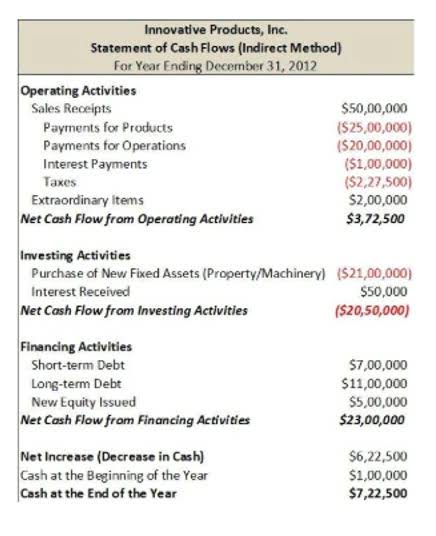
Cash Basis Accounting
With this knowledge, you’ll be better able to communicate with financial professionals, team members and potential investors. Increases in net assets from transactions that aren’t revenues or investments by owners. It’s a contra asset, meaning it’s subtracted from the cost of the related asset on the balance sheet.
#11 – Net Income
The profit and loss statement, or income statement, outlines a company’s revenues, expenses, and profits for a particular period, typically a quarter or year. It helps to assess the company’s operational efficiency and profitability. For instance, “assets” represent what a company owns, whereas “liabilities” refer to what it owes. Understanding accounting terms is crucial for anyone involved in financial decision-making, as accounting basics these terms ensure clear communication and accurate financial reporting. This allows a company to track the quantity and value of its stock in real time and ensure that it has sufficient levels of stock on hand to meet customer demand.


 Italian
  English